
Digital Strategy

What your site and channels are doing, and what to change.
We figure out how your website and channels should work for the people using them — whether that starts with an audit or a blank page.
Overview
Most of this work is with independent studios, small businesses, and people running things largely by themselves — no analytics person, no social manager, no outside view. Clients arrive with a symptom rather than a diagnosis: sales steady but flat, social busy and nothing converting, traffic arriving and nobody getting in touch. Often the first problem is that there’s no way to tell what’s working at all.
So we start with a communications audit — a read on everything at once, from outside. What the numbers say about where people arrive and where they leave. Whether you turn up when someone searches for what you make. What a visitor runs into when they try to do the thing you want them to do — a button that doesn’t do what it says, a price nobody can find. Sometimes the answer is uncomfortable and specific: half your traffic arriving through search and converting at half the rate of everyone else means people are finding you and deciding against you. Sometimes it’s that you should stop paying for something.
The work runs the other direction too — deciding what a site should do before it exists, and shaping the structure around that. Either way the answer usually isn’t more posts, more pages, more channels. It’s less, aimed better.
Then we can do it with you. A set of recommendations is only worth what gets implemented, and the most common reason good recommendations sit untouched isn’t disagreement — it’s that nobody has the time. We can hand over a plan for your team to run, or stay on and make the changes ourselves: rewriting the pages, restructuring the site, setting up the tracking, fixing the email.
What this looks like in practice
— Goals and audience first: where you’re trying to get to, and who you need to reach to get there
— A review of the site: content, structure, and how easy it actually is to use
— Analytics: where people arrive, where they leave, what they do in between
— Search: whether you turn up when someone looks for what you make, and whether the basics are in place — headings, page descriptions, alt text
— Email: what you’re sending, who opens it, and whether anything gets clicked
— Social: what each channel is actually returning, and whether the effort matches the result
— A look at paid search, if you’re running it
— A look at the competitive landscape, what your competitors are doing, and identifying whether there’s a position nobody is holding
— A findings and recommendations document, presented in a working session, with the recommendations in the order worth doing them, including what to stop
— Implementation, if you want it: the rewriting, the restructuring, the tracking setup, the email fixes
When you need it
— Sales or inquiries are flat, and you can’t see why from the inside
— People find the site and leave without doing anything
— You don’t turn up in search for the thing you actually sell
— You’re posting constantly, and it isn’t turning into anything
— You’re paying for ads and can’t tell whether they work
— You’re the designer, the founder, the person writing the emails and packing the orders, and nobody is looking at the whole picture
— A website is being rebuilt, and nobody has decided what it needs to do
FAQ
Do you do SEO?
We know enough to be useful, not enough to call ourselves specialists.
In practice, that sometimes means working alongside one: on a recent project, we brought in an SEO expert to settle the terms worth ranking for, then wrote all the content against them. The research and the writing are different jobs, and the writing is the one that decides whether any of it works.
How is this different from content strategy?
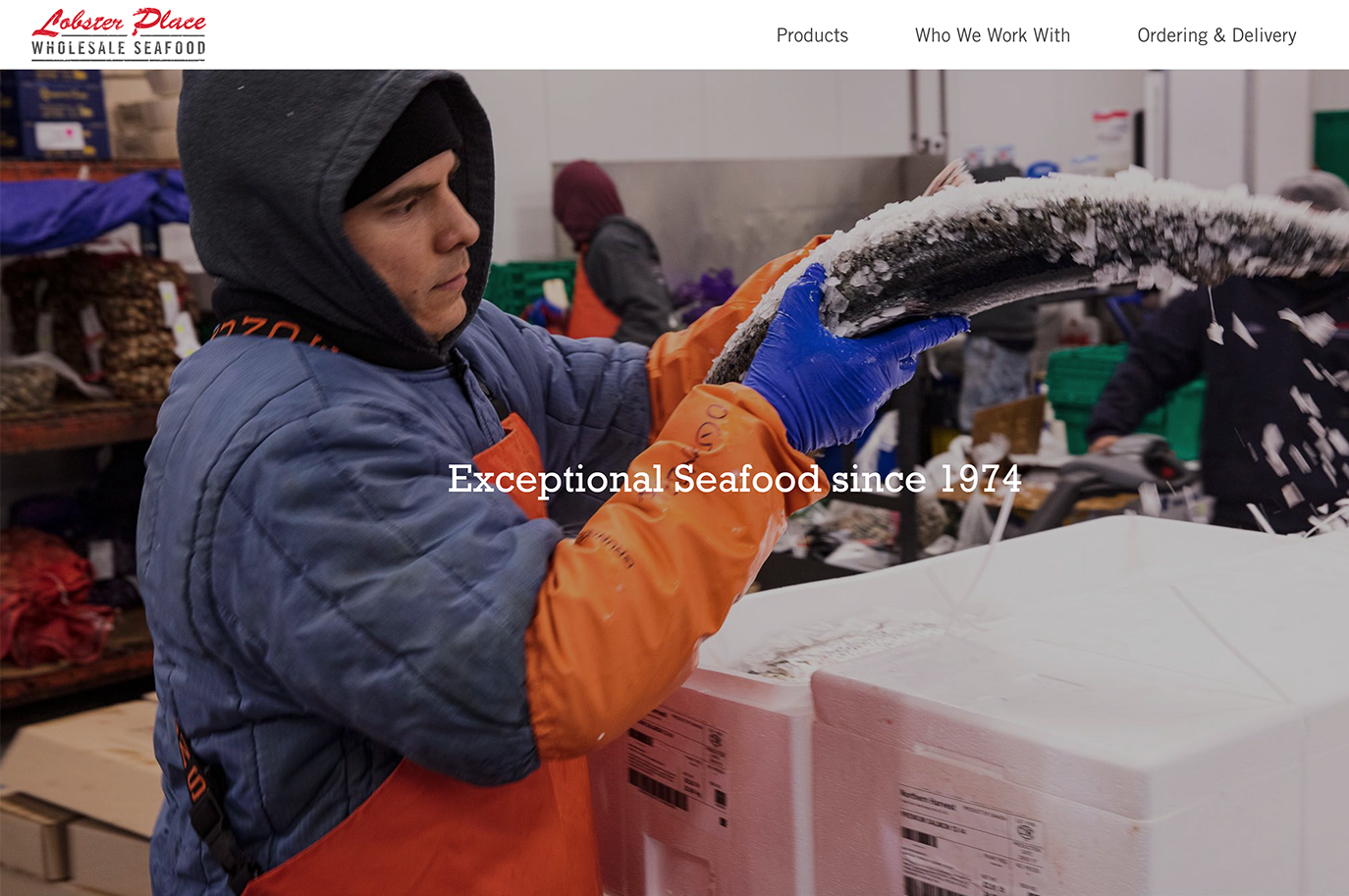
Content strategy is what you say and how it’s organized. Digital strategy is how the thing performs and what it does — the channels, the analytics, the features. They overlap on a website rebuild, and we often do both: for The Lobster Place’s wholesale site, the audiences and architecture were content strategy and the inventory tool was digital strategy.
Will you run our social accounts?
No. We’ll work out what the channels should be doing, what to post and why, and how it connects to everything else — then hand it over to whoever is posting. Ongoing channel management is a different job and it should belong to someone inside the organization.
What if we don’t have time to act on it?
Say so early and we’ll scope it differently.
A set of recommendations nobody has the bandwidth to implement is the most common way this work gets wasted — it’s almost never disagreement, it’s capacity. We can stay on and make the changes ourselves, or prioritize hard so you’re acting on three things rather than thirty.
Featured Work


“My social media image really benefited from my coaching sessions with Megan and Rachel. They gave me good advice about how to use my Instagram to better promote my work. They also encouraged me to completely restructure my website in order to make it easier for potential clients to navigate. I’ve already received lots of positive feedback about the new website!”
— MARION KADI, ARTIST & ILLUSTRATORLet’s talk.
Find out if we are the right communications experts for your needs.